Proudly Serving The Scottsdale, AZ Area



How Arizona’s Hard Water Damages Your Plumbing Over Time

How Arizona’s Hard Water Damages Your Plumbing Over Time
Arizona homeowners rely heavily on their plumbing systems every day, especially in a climate where water use is constant year round. What many people do not realize is that the water flowing through their pipes contains high levels of minerals that can slowly damage plumbing from the inside out. Hard water is not an immediate problem, but over time it can reduce efficiency, increase repair needs, and shorten the lifespan of pipes, fixtures, and appliances throughout the home.
Because hard water damage happens gradually, it often goes unnoticed until the effects become costly and disruptive. Mineral buildup can restrict water flow, strain plumbing components, and cause systems to work harder than they should. In Arizona’s hot climate, this process happens faster, making proactive awareness and prevention especially important for homeowners who want to avoid repeated plumbing issues and unexpected expenses.
What Is Hard Water and Why Arizona Has So Much of It
Hard water contains elevated levels of dissolved minerals, primarily calcium and magnesium. As water moves through underground rock formations, it absorbs these minerals before entering municipal or private water supplies. While hard water is safe for everyday use, the minerals left behind after water evaporates are what cause long-term plumbing problems.
Why Arizona’s Water Is Especially Hard
Arizona’s geology plays a major role in water hardness. Much of the state relies on groundwater sources that travel through mineral dense soil and rock. By the time the water reaches homes, it often carries a high concentration of scale forming minerals.
Factors that contribute to hard water levels in Arizona include:
-
Mineral rich aquifers
-
Limited natural water softening
-
Heavy reliance on groundwater in many regions
Hard water is a statewide issue, but some areas experience more severe levels than others. Cities and communities across central and southern Arizona commonly report very high mineral content, which increases the risk of plumbing damage over time.
How Hard Water Buildup Forms Inside Your Plumbing
When hard water flows through your plumbing, it carries dissolved minerals like calcium and magnesium. As water is heated or evaporates, these minerals separate from the water and cling to the inner surfaces of pipes, valves, and fixtures. Over time, this residue hardens into mineral scale, which becomes increasingly difficult to remove.
Scale buildup does not remain on the surface. It gradually layers inside plumbing lines, reducing the usable diameter of pipes and restricting water flow. This forces your plumbing system to work harder, which accelerates wear and increases the likelihood of leaks or failures.
How Heat Accelerates Buildup in Arizona Homes
Heat plays a major role in how quickly scale forms. In Arizona homes, water heaters run frequently due to daily demand, and higher water temperatures cause minerals to solidify faster. Hot water lines tend to accumulate scale more quickly than cold lines, making them especially vulnerable.
Common areas where heat speeds up scale formation include:
-
Water heater tanks and heating elements
-
Hot water supply lines
-
Shower valves and mixing valves
Why Pipes and Fixtures Are Most Vulnerable
Plumbing components with narrow passages or constant water flow are more likely to experience heavy mineral buildup. Over time, scale hardens and creates rough interior surfaces, which attract even more mineral deposits.
Plumbing parts most affected by scale buildup include:
-
Copper and galvanized steel pipes
-
Faucet cartridges and aerators
-
Showerheads and internal valves
Once scale has formed, it rarely stops on its own. Without treatment or intervention, buildup continues to grow and cause progressive damage throughout the plumbing system.
Damage Hard Water Causes to Pipes Over Time
As mineral scale builds inside pipes, it slowly reduces the space water can move through. This narrowing forces water to travel under higher pressure, which places extra stress on the plumbing system.
Common results of restricted flow include:
-
Reduced water pressure at fixtures
-
Uneven water distribution throughout the home
-
Increased strain on joints and fittings
Why Hard Water Increases Leak Risk
Scale buildup creates rough interior pipe surfaces that trap debris and minerals. Over time, this accelerates corrosion and weakens pipe walls. As pipes age under this stress, the risk of small leaks and sudden failures increases.
Older plumbing systems are especially vulnerable because mineral buildup compounds existing wear.
Long-Term Impact on Plumbing Lifespan
Pipes affected by hard water typically fail sooner than those carrying treated water. Even when pipes do not leak, reduced efficiency and constant pressure lead to higher maintenance costs and earlier replacement.
Effects of Hard Water on Water Heaters
Hard water minerals settle quickly inside water heaters, especially on heating elements and tank walls. This buildup creates an insulating layer that forces the system to work harder to heat water efficiently.
As efficiency drops, homeowners often notice slower hot water recovery and inconsistent temperatures.
Increased Energy Use and Operating Costs
When mineral scale builds up, water heaters require more energy to produce the same amount of hot water. Over time, this leads to higher utility bills and unnecessary strain on the system.
Common signs of efficiency loss include:
-
Longer wait times for hot water
-
Rising energy costs without increased usage
Shortened Water Heater Lifespan
Scale buildup accelerates wear on internal components, reducing the overall lifespan of both tank and tankless water heaters. Units in hard water areas often fail years earlier than expected if left untreated.
How Hard Water Wears Down Fixtures and Appliances
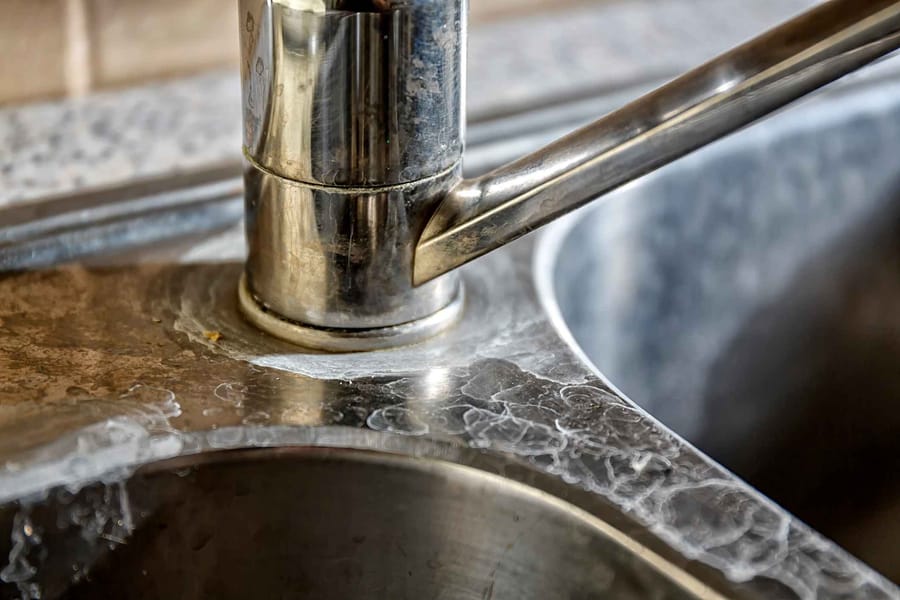
Mineral deposits collect quickly on fixtures that have constant water exposure. Over time, scale buildup clogs aerators and showerheads, reducing water flow and affecting performance.
Homeowners often notice:
-
White or chalky residue on fixtures
-
Uneven spray patterns
-
Stiff or sticking handles
Appliance Wear Caused by Hard Water
Appliances that use water are especially vulnerable to mineral buildup. Scale forms on internal components, forcing appliances to work harder and increasing the risk of breakdowns.
Hard water commonly impacts:
-
Dishwashers
-
Washing machines
-
Ice makers
Reduced Efficiency and Shorter Lifespans
As mineral deposits accumulate, appliances lose efficiency and require more frequent repairs. Many appliances in hard water homes need replacement sooner than expected due to internal scale damage.
Long-Term Cost of Ignoring Hard Water Problems
Hard water damage builds slowly, but the financial impact grows over time. What starts as minor efficiency loss can turn into repeated repairs, higher utility bills, and unexpected system failures throughout the home.
Higher Repair and Maintenance Expenses
As mineral buildup spreads, pipes, fixtures, and appliances require more frequent service. Small issues become recurring problems, which increases long-term maintenance costs and shortens system life.
Increased Energy and Water Costs
Scale buildup forces water heaters and appliances to work harder. This reduces efficiency and causes higher energy and water usage without improving performance.
Greater Risk of Major Plumbing Failures
When hard water damage is left unaddressed, the likelihood of serious failures increases. Burst pipes, leaking water heaters, and appliance breakdowns often occur with little warning.
Protect Your Water and Plumbing in Arizona From Hard Water Damage
Hard water is a long-term issue for many Arizona homeowners, and its effects on plumbing systems should not be ignored. Mineral buildup inside pipes, water heaters, fixtures, and appliances slowly reduces efficiency, increases wear, and raises the risk of costly repairs or premature replacements. In a hot climate where water use is constant, hard water damage can progress faster than many homeowners expect.
Addressing hard water early helps protect your plumbing, improve system performance, and reduce long-term expenses. Solutions like professional water treatment can prevent scale buildup and extend the life of your plumbing system.
If you are concerned about hard water damage in your home, contact Zest Plumbing & Drain. We can help you explore options that protect your pipes and keep your plumbing running efficiently.
Recent News
Top 5 Signs You Need a Drain Cleaning in Arizona (Before It Becomes an Emergency)
Why Your Shower Takes Forever to Get Hot and How to Fix It
The Bathroom Drain Inspection Blueprint: What Every Homeowner Needs to Know
Choosing the Right Water Heater: Tankless vs. Storage for Your Scottsdale Home
Seasonal Plumbing Maintenance Schedule for the Arizona Climate
Signs of a Clogged Drain
How to Filter Water?
Get in Touch